
If you’re diving into today’s hottest games, you’re not just looking for surface-level tips — you want the edge. Whether it’s mastering complex game mechanics, outplaying opponents in ranked multiplayer, or climbing competitive ladders faster, staying ahead of the curve requires more than raw skill. It demands strategy.
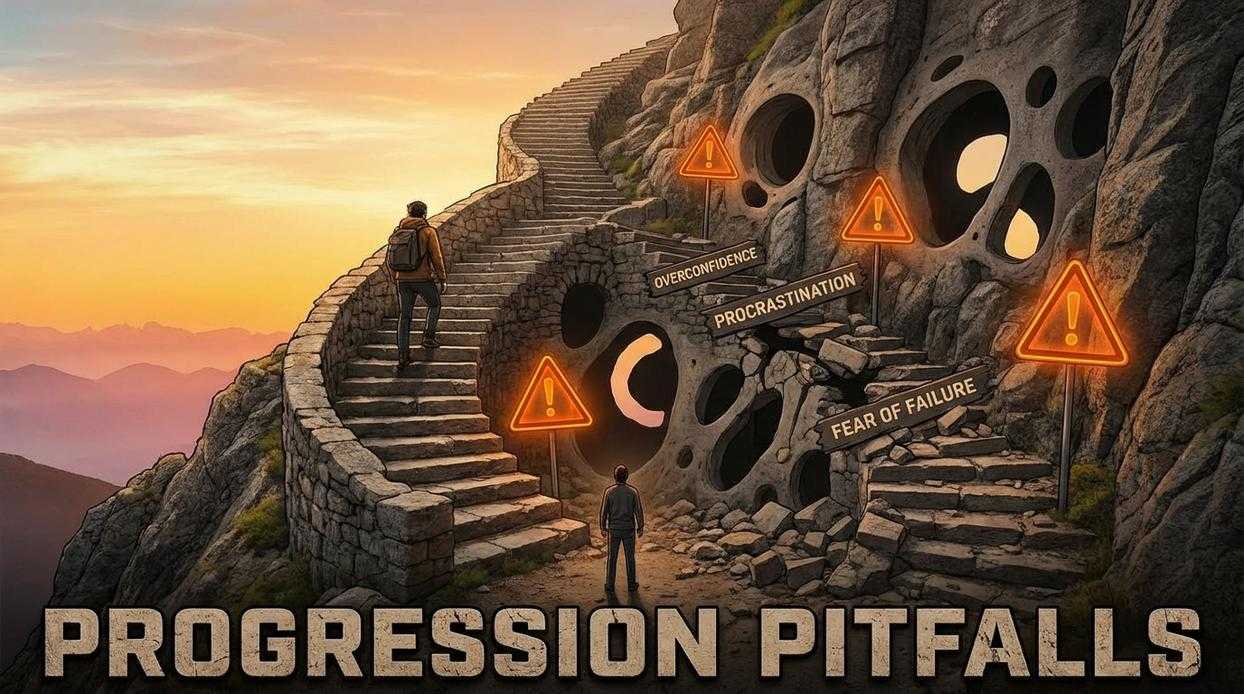
This article is built for players who want sharper mechanics, smarter decision-making, and real competitive advantages. We break down trending gameplay systems, analyze multiplayer strategies that actually win matches, and uncover progression hacks that save you time while maximizing rewards. You’ll also learn the progression mistakes to avoid that quietly stall most players before they ever reach high-tier play.
Our insights are grounded in deep analysis of current metas, tournament-level tactics, and evolving in-game systems across today’s most talked-about titles. If you’re serious about improving faster, competing smarter, and staying ahead of the gaming buzz, you’re in the right place.
Beyond the Grind: A Framework for Flawless Progression
We’ve all been there: 40 hours deep, confident in your build—then bam. You hit a wall. The boss won’t budge. Your gear is wrong. Your skill tree? A mess. That sinking feeling isn’t bad luck; it’s flawed strategy.
Here’s the truth: “just play more” is terrible advice. Progression should be intentional.
- Audit your build before major milestones.
- Study mechanics, not just meta hype.
- Track efficiency per session.
Most players repeat the same progression mistakes to avoid because they never pause to analyze. The fix? Play smarter, not longer—so every hour actually moves you forward.
The Pre-Launch Blueprint: Architecting Your Success
The biggest gaming disasters rarely happen at hour 200. They happen in the first two.
That’s where the “Look Before You Leap” principle comes in. Think of it as a Session Zero mindset—a borrowed term from tabletop RPGs where players align on rules, goals, and expectations before the campaign begins. In digital games, this means pausing before you lock in a class, spend premium currency, or skip tutorials (yes, even if you “already know how stamina works”).
Some players argue that overplanning kills the magic. Discovery is the fun, they say. And they’re not wrong—blind exploration can feel like Elden Ring on launch week. However, ignoring core systems often leads to irreversible progression mistakes to avoid.
So research the meta—but don’t worship it. Use wikis and community guides to understand core mechanics, resource loops, and viable endgame paths. For example, if ascension materials are time-gated or reputation grinds unlock essential gear (a system confirmed common in live-service design models, see GDC talks on retention systems), that’s critical context.
Next, identify future bottlenecks early. Ask: What’s scarce? What’s capped daily? What choices are permanent?
Finally, set tiered milestones—next hour, this week, endgame. Short-term focus prevents overwhelm; long-term clarity prevents regret. Strategy first. Button-mashing later.
Resource Allocation Mastery: The Art of In-Game Economics
Investment vs. Expense
The best players treat in-game currency like capital, not candy. An investment is any upgrade that compounds—meaning it increases future resource generation or scaling power over time. Think upgrading a gold mine in a strategy game or boosting XP gain in an RPG. An expense, on the other hand, delivers a short-term spike: a temporary damage potion, a flashy cosmetic skin, or a one-off revive.
I’ll admit, the line isn’t always crystal clear. Some temporary boosts can accelerate early snowballing. But generally, if it doesn’t create future value, it’s consumption—not growth.
The Rule of Three for Upgrades
Before spending, ask:
- Does it increase resource generation?
- Does it unlock new content?
- Does it significantly reduce time-to-kill?
If the upgrade hits at least one of these, it’s usually worthwhile. If it hits none, pause. (Yes, even if it glows purple and looks legendary.)
Avoiding Shiny Object Syndrome
We’ve all done it—dumped hard-earned materials into something that looked powerful but didn’t move the needle. This is one of the most common progression mistakes to avoid. Early-game cosmetics or niche skills often delay meaningful power spikes. It’s the RPG equivalent of buying rims before upgrading the engine.
The Power of Hoarding
Saving resources feels slow. Sometimes painfully slow. But hoarding enables decisive jumps—a new tier unlock, a meta-defining weapon, a breakthrough ability. Small incremental upgrades often dilute impact.
Pro tip: Wait until an upgrade changes your farming efficiency by at least 20–30% before committing.
Strategic patience isn’t flashy. But it wins games.
Adapting on the Fly: How to Pivot Without Losing Progress
Recognizing a Dead End
Every build hits a ceiling—but some hit a wall. Warning signs include:
- Consistent underperformance in multiplayer despite optimal gear
- New patches that nerf core abilities or reduce damage scaling
- A meta shift where your role is no longer viable in ranked or raids
If your win rate drops 20% after a balance update, that’s data—not bad luck. Treat patch impact like a performance review.
The Sunk Cost Fallacy in Gaming
The sunk cost fallacy means sticking with something because of past investment, not future payoff. Yes, you spent 60 hours leveling. But if a reroll reaches peak efficiency in 25 hours, forcing a broken build wastes more time. Ask: Will the next 10 hours meaningfully improve results? If not, pivot.
Patch Notes as a Progression Tool
Patch notes aren’t fluff—they’re forecasting tools. Look for:
- Buffed skill trees
- Resource economy tweaks
- Cooldown or scaling adjustments
Reading ahead helps you shift before the meta hardens (pro tip: track developer wording like “monitoring closely”).
The ‘Respec’ Strategy
If respec is available, plan it. Stockpile currency, gear for the target build, and pivot during XP events for efficiency. Avoid common progression mistakes to avoid by reviewing guides like fastest ways to gain xp without burning out before switching.
Leveraging External Tools: Your Unfair Advantage
Data-Driven Decisions start with third-party build calculators, damage simulators, and market trackers that model your gold efficiency before you queue into ranked. In MMOs like Lost Ark’s Punika tier or Diablo IV’s Season ladders, small percentage gains compound brutally fast (ask anyone stuck at 1490 item level). Pro tip: snapshot your current stats, then simulate three upgrade paths instead of blindly enhancing gear.
Learning from the Pros means studying VODs for rotation timing, cooldown tracking, and resource management—not flashy pentakills. Pause streams, ask why they held an ultimate, and map that logic to your own comp.
Filtering Community Noise is harder on Reddit threads and Discords. Look for spreadsheets, patch-note citations, or frame data—not upvote counts (popularity isn’t proof; remember Cyberpunk 2077 launch hype).
Use progression mistakes to avoid in the section once exactly as it is given.
Data beats vibes, every season. Period.
Your New Progression Playbook
Error-free progression isn’t about playing perfectly; it’s about building a robust strategy rooted in planning, smart resource allocation, and constant adaptation. The real win condition is momentum.
If you’ve felt the sting of wasted hours, that frustration fades when you shift to a proactive, analytical mindset. Think of every upgrade as an investment, not a splurge.
- Identify your next bottleneck before it blocks you.
- Review progression mistakes to avoid in the section once exactly as it is given.
Apply just one principle today and watch your current game respond immediately. Start small, scale fast.
Dominate the Meta and Level Up Smarter
You came here to get sharper at competitive play, understand deeper mechanics, and stop falling behind in ranked matches. Now you have the tactical clarity, strategic adjustments, and system knowledge needed to compete with confidence.
The difference between casual grinding and real progression is awareness. When you understand multiplayer strategy layers, exploit timing windows, and eliminate progression mistakes to avoid, you stop wasting hours and start seeing measurable results. That’s how players break plateaus and climb.
Here’s your next move: apply one strategy from this guide in your next session, review your gameplay decisions, and refine your approach. Small, intentional adjustments compound fast.
If you’re serious about ranking up, mastering evolving metas, and outplaying the competition, don’t rely on guesswork. Join thousands of competitive players who trust our breakdowns, tactical insights, and progression hacks to stay ahead. Dive into the latest strategies now and start winning smarter today.