

Ever felt the frustration of a team that just doesn’t click? It’s like watching a disorganized multiplayer squad get wiped out. Missed goals, wasted effort.
Traditional advice is often generic and falls flat, especially when the pressure’s on. You need your team to be agile, communicative, and resilient. That’s a tall order.
In the high-stakes world of competitive esports, split-second coordination and flawless teamwork are everything. Here’s the deal: we’ve analyzed what makes these elite teams successful.
You might be wondering, how does this help you? Stick around.
We’re diving into a set of solid, advanced multiplayer strategies drawn from professional gaming. These aren’t your run-of-the-mill tips. They’re actionable strategies that will boost your team’s communication and overall performance immediately.
Ready for a new perspective? Let’s get started.
The Pro Gamer’s Mindset: Winning Together
The biggest barrier to collaboration? A ‘solo player’ mindset. I see it all the time.
Players focus too much on their own stats. Like Kill/Death Ratios (instead) of working towards that sweet team victory. Ever notice how some business folks are the same?
They’re obsessed with sales numbers while ignoring the overall project success. It’s like playing Call of Duty and ignoring the objective. Frustrating, right?
Let’s talk about this mental shift. It’s key. Shared ownership and a collective goal are the real game-changers.
Your team’s success is your success. Imagine the combo when everyone roots for the team win. It’s not just about you.
It’s about us.
So, how do we build this mindset? Start meetings with the collective ‘win condition’ for the project. Make sure everyone knows what’s at stake.
Celebrating team-wide achievements over individual milestones helps too. Recognizing the assists (those small but key contributions) is key. Shout it out to the group.
It encourages others to do the same.
These aren’t just advanced multiplayer strategies. They’re the backbone of successful teams. And don’t get me started on the importance of effective communication grollgoza teams.
Without it, even the best strategies fall apart.
Pro tip: Keep an eye on how your team interacts. Small shifts in focus can lead to big wins. Remember, in gaming and in business, the ultimate goal is always the same.
We win as a team or not at all.
Mastering Shot-Calling: Decisive Leadership in Action
Ever watched a pro esports match and noticed how one player seems to direct the chaos? That’s shot-calling. It’s not just barking orders.
It’s about making clear, concise calls that everyone follows immediately. Translate this into a non-gaming world, and you’ve got a leader who cuts through the noise with precise direction. They’re the go-to person for a project phase, ensuring everyone knows what to do without second-guessing.
But here’s the kicker: shot-calling is an art. And like any art, it needs clarity, conciseness, and confidence. Clarity means no wishy-washy language.
You say, “Let’s pivot to the new design mock-up,” instead of, “Maybe we should think about looking at the other design.” You see the difference? One’s a command. The other’s a suggestion.
Conciseness is about getting to the point. Respect your team’s time. In fast-paced environments, every second counts.
Confidence? That’s the secret sauce. Deliver your direction with conviction.
When you speak with authority, people listen. They trust you. They act.
So, how do you set up this in real life? Easy. Designate a shot-caller for each project phase.
This person leads the charge, and the rest of the team needs to trust and execute the call, even if they have doubts. Raise objections later in a debrief. growth happens.
Shot-calling isn’t just for gaming. It’s a skill for life. Want to dive deeper into these tactics?
Check out advanced multiplayer strategies for more takeaways. You’ll find that mastering this can turn chaos into order. Trust me, it’s worth it.
After-Action Report: Nailing Execution Every Time
You ever finish a project and think, “What went wrong?” the After-Action Report (AAR) comes in. Used by elite military and esports teams, it’s not your typical post-mortem. An AAR isn’t about pointing fingers.
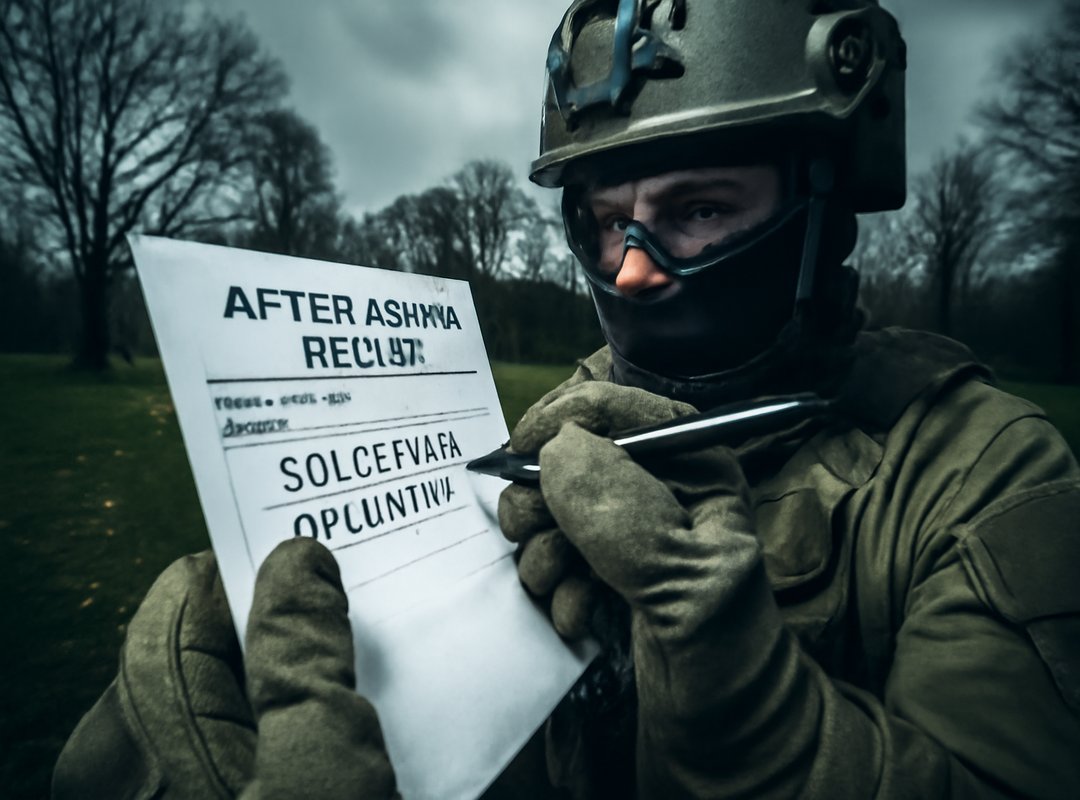
It’s about frequent, blameless reflection.
What makes it different? It happens regularly, not at the end. It’s about small, constant improvements.
Think of it as advanced multiplayer strategies for work. You can analyze what you expected, what actually happened, why there was a difference, and crucially, what we’ll do next time.
Let’s break that down. First, ask what you expected. Did you think the project would end on time?
Then, what actually happened? Maybe you missed the deadline. Next, why was there a gap?
Was it a communication breakdown or unclear instructions? Finally, the big one: what do we change? Focus on a couple of takeaways (not everything.
Just what’s actionable).
Here’s a practical walk-through. Imagine you planned a project to end in a month. Instead, it stretched by two weeks.
During the AAR, figure out the “why.” Perhaps unforeseen issues popped up (they always do). Now, decide on a couple of actions like improved planning or more frequent check-ins.
Does this sound like a blame game? It isn’t. It’s about psychological safety.
If people fear blame, they hide problems. That doesn’t help anyone. The goal is to make the system better.
That’s why gaming teams and military units swear by it.
If you’re looking to dive deeper into game strategies, check out analyzing opponent grollgoza. Remember, the AAR is your tool for flawless execution and constant improvement. So, why not give it a shot?
Technique 3: Synergize Your Roles Like a Championship Roster
When it comes to advanced multiplayer strategies, team composition is everything. You don’t just grab the “best” characters. You build a team with abilities that fit together like puzzle pieces.
Think Tank, Healer, Damage Dealer. They’re not just random picks; they’re chosen to create a powerhouse that covers each other’s weaknesses.
Now, let’s apply this to the professional world. Great teams don’t stack identical all-stars (as tempting as it sounds). They tap into the unique strengths and working styles of each member.
Who’s your Tank? The one who can handle pressure and shield the team from chaos. Who’s the Healer?
The person providing support, resolving conflicts, and keeping morale high. And don’t forget the DPS (that) highly focused executor pushing tasks to completion.
But wait, there’s more. There’s also the Support/Control role. This is your strategist, planner, organizer.
The one who keeps everything running smoothly. These roles aren’t just job titles. They’re fluid, flexible.
So, who plays what role in your team? The trick is knowing these strengths and assigning tasks accordingly. Maximize your team’s combo and watch the magic happen.
Pro tip: Identify these roles early. It can transform your team’s dynamics. Don’t just rely on job titles.
Look beyond. Dig deeper. Find out how each person can contribute to the team’s success.
It’s not just about individual skills; it’s about how they fit together to create something greater.
Teamwork Unlocked
Feeling stuck? Your team’s underperformance and stress stem from poor coordination. It’s time to break free.
By adopting advanced multiplayer strategies used by elite esports squads, you can transform your team’s dynamics. Clear shot-calling, blameless debriefs, and role combo are your new tools. This week, challenge yourself to adopt one new technique.
Try an “After-Action Report” post-meeting. It’s simple, impactful, and a gateway to success. You can control your team’s destiny.
Don’t settle for less when the path to victory is clear. Want results? Start implementing now.
Your team’s success is in your hands. Ready to win?