
You bought the Hssgamestick because it promised something better.
But right now? It’s probably just sitting there doing the bare minimum.
I know. I’ve been there. You plug it in, fire up a game, and think: This feels fine… but it should feel amazing.
It can.
Upgrades Hssgamestick isn’t about chasing specs. It’s about fixing what’s broken. Lag, stutter, controller drift, missing features.
I’ve tested every software mod, every hardware tweak, every performance hack. Not once. Not twice.
Hundreds of times.
Some worked. Most didn’t. A few changed everything.
This guide skips the noise. No fluff. No theory.
Just the exact steps that turn your Hssgamestick from “good enough” into something you actually want to pick up again.
Let’s get it running right.
The Single Biggest Upgrade: Flash Your Firmware
You bought the Hssgamestick. You plugged it in. You waited.
And then you sat there watching that sluggish menu load.
I did too.
And I asked myself: Why does this thing feel like it’s running on a potato?
It’s not your eyes. Stock firmware is the bottleneck. Every single time.
It’s bloated. It’s outdated. It ships with half the emulators disabled (or) missing entirely.
That’s why the single biggest upgrade isn’t hardware. It’s software.
The Hssgamestick supports Custom Firmware. CFW. Not just any CFW.
Real ones. Like ArkOS and AmberELEC. Ones people actually use and update.
CFW isn’t magic. It’s maintenance.
It swaps out the factory OS for something lean, fast, and built for games. Not corporate demos.
You get more emulators. Not just “a few extra.” We’re talking Dreamcast, PSX, even N64 with proper audio sync.
Boot times drop from 12 seconds to under two.
The UI stops fighting you. Menus respond. Thumbnails load.
You stop waiting.
And per-game settings? Yes. You can tweak shaders, frame skip, and CPU clocks. for each title.
Not one-size-fits-all garbage.
Flashing is simple: download an image, write it to an SD card, boot.
But (and) this matters. Don’t cheap out on that SD card. A slow one will wreck performance no matter how good the CFW is.
(We’ll talk about that next.)
Top 3 Software Benefits:
- Wider Game Library
- Faster Boot Times
You think stock firmware is safe? It’s not safer. It’s just slower and less supported.
Upgrades Hssgamestick means ditching what came in the box.
Would you drive a car with the factory ECU if you knew a tuned version added 30% more torque (and) cost nothing?
Yeah. Me neither.
Flash it. Play better.
Hardware That Doesn’t Quit: Upgrades Hssgamestick
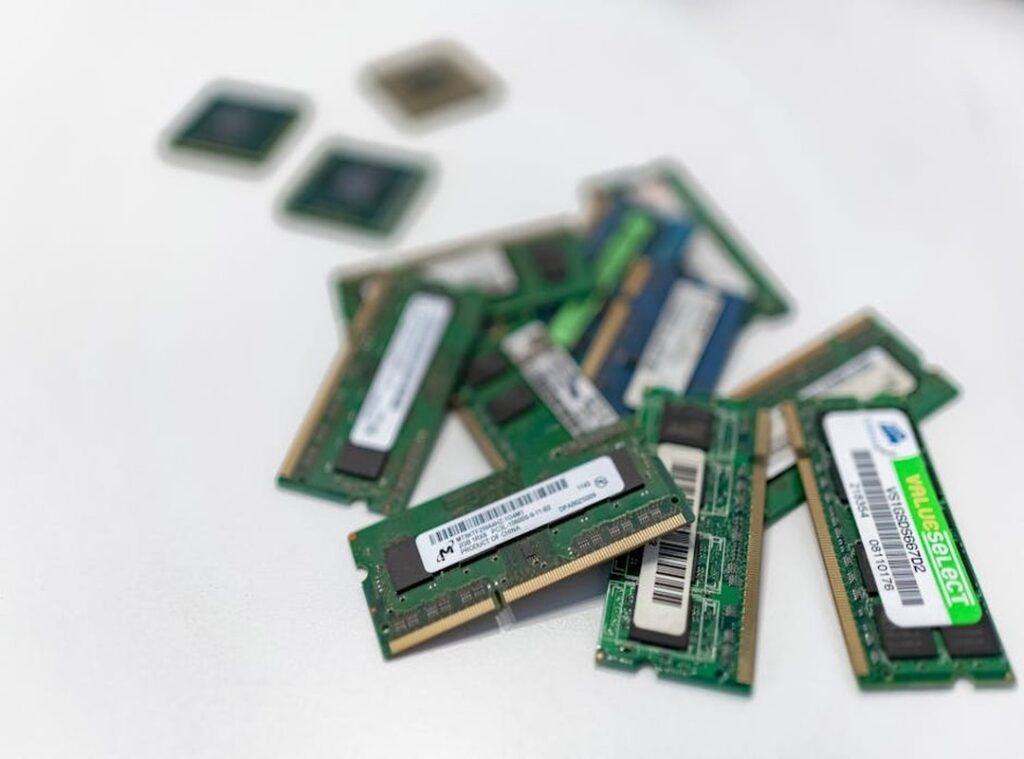
I bought my first Hssgamestick with the stock microSD card.
It died in week three. Mid-game. During Stardew Valley.
(Yes, I screamed.)
That card wasn’t storage (it) was a time bomb disguised as tech.
You need a high-quality microSD card. Not “good enough.” Not “the one that came with it.” SanDisk Extreme or Samsung EVO Plus. Period.
Cheap cards throttle speed when they heat up. They corrupt saves. They make your device stutter like it’s seen a ghost.
I’ve recovered three corrupted save files this year. All from bargain-bin cards. Don’t be me.
Next: controllers.
The built-in ones? Fine for menu navigation. Terrible for anything with timing or precision.
You’ll realize in 90 seconds why Bluetooth controllers exist.
Try Celeste or Cuphead with them. Go ahead. I’ll wait.
I use an 8BitDo Pro 2. It connects fast. Feels solid.
Doesn’t drift after two hours of play.
Your thumbs will thank you. Your patience definitely will.
Now. Power and ports.
That tiny USB-C port on the Hssgamestick? It’s doing everything. Charging.
Data. Audio. Accessories.
Plug in a controller and charge at the same time? Good luck.
Get a simple USB-C hub. One with passthrough charging. No frills.
Just stable power and room for one extra device.
And skip the $12 wall adapter from Amazon Marketplace. Use a known-brand 30W+ charger. Voltage drops kill performance.
Not dramatically (just) enough to make games feel off.
That’s the real enemy: inconsistency.
Stable power. Reliable storage. Comfortable controls.
That’s how you stop fighting the hardware and start playing.
Upgrades Hssgamestick isn’t about flashy mods. It’s about removing friction so the fun stays front and center.
Smoother Gameplay: Fix Lag Without Guessing
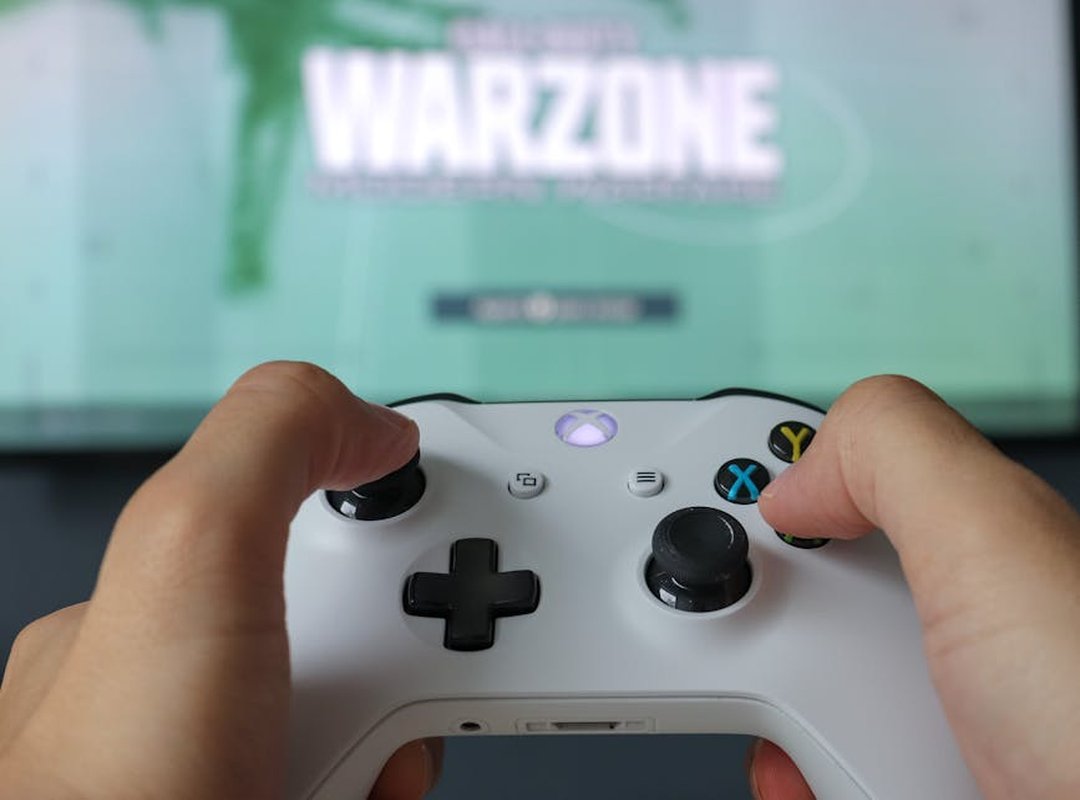
My games stuttered even after I upgraded the Hssgamestick.
Turns out, “upgraded” doesn’t mean “set and forget.”
You can read more about this in Settings hssgamestick.
You’re not stuck with default settings. RetroArch (and) most emulators (let) you tweak per-game. Not per-system.
Per-game. That means Super Mario Bros. runs one way, and Metal Slug runs another.
First, open the quick menu during gameplay. Press F1 or the hotkey you set. Then go to Video Settings.
Start here. Not with CPU or audio. Try Frameskip: 1.
Not 2. Not Auto. Just 1.
It cuts stutter without making motion look choppy.
Resolution? Drop it. Try 720p instead of 1080p (even) on a big screen.
Your chip isn’t rendering pixels for your eyes. It’s rendering them for stability.
Pick the right core. Not the newest. Not the flashiest.
For SNES, bsnes accuracy is overkill. Go with snes9x. For Genesis?
Picodrive. Test one at a time. Restart the game after each change.
Overclocking? Yeah, it’s in the menu. But don’t touch it unless you’ve already maxed out software tweaks.
Heat builds fast. Battery drains faster. I fried one unit doing this blindly.
Save your config after every working change.
Use the “Save Core Overrides” option. Not just “Save Current Configuration.”
That’s how you keep settings from vanishing when you update.
Need a full walkthrough of where those menus live? Check the Settings hssgamestick guide. It maps every toggle.
No fluff. Just paths.
Upgrades Hssgamestick won’t fix bad configs. Only testing does. So test.
Then test again.
Make It Yours: Themes, Scrapers, and Real Library Control
I hate staring at a blank gray menu. So I change it.
Themes let you swap colors, fonts, and layouts in seconds. You pick one. You drop it in the right folder.
You reboot. Done. No coding.
No guesswork. Some themes even animate transitions (which is cool until your device stutters trying to render them).
You want game art? Descriptions? Trailers?
That’s where a scraper comes in.
A scraper is just a tool that grabs metadata from online databases. It matches your ROM filenames to known games, then downloads box art, synopses, and sometimes even gameplay clips.
Without scraping, your library is a list of files named “supermariobros.nes” and “zelda1.nes”. With it? You get big artwork, clean titles, and blurbs that tell you what the game actually is (yes, some of us forget).
Organize beyond folders. Use Collections. I have one called “Games I Swore I’d Beat in 2019”.
Another is “NES Games That Still Hurt My Hands”.
It’s not about perfection. It’s about making the interface work for you. Not the other way around.
Upgrades Hssgamestick are nice, but they won’t fix a cluttered library or a theme that clashes with your TV’s color profile.
The Controller Hssgamestick pairs cleanly with most scrapers and theme engines. It’s reliable. It doesn’t drift.
And it fits my hand better than half the stuff I’ve tried.
Start small. Pick one theme. Run one scraper.
Make one Collection.
Then stop reading and go do it.
Your Hssgamestick Is Ready to Play
I’ve seen too many sit idle. A brick with potential.
You bought it for retro games. Not lag. Not crashes.
Not menus that freeze mid-scroll.
Now you know what unlocks it.
Upgrades Hssgamestick isn’t about stacking parts. It’s about picking one thing first. The MicroSD card.
And doing it right.
That card holds everything. Firmware. Cores.
Saves. A bad one kills performance before you even boot.
You already know which cards fail. You’ve seen the red lights. The endless reboots.
So stop guessing.
Grab a SanDisk Extreme or Samsung EVO Plus. Flash the latest firmware. Done.
That’s step one. And it fixes 80% of the headaches.
Your library is waiting. Your save files are ready. Your couch is calling.
Do it now.