
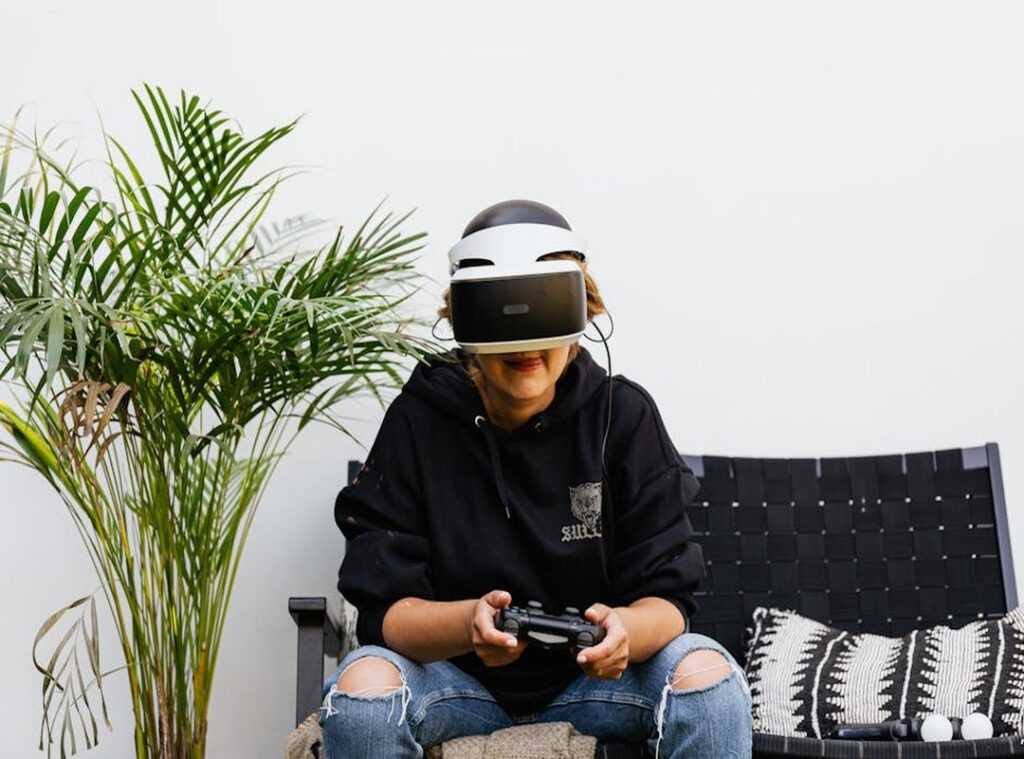
Gaming moves too fast.
You blink and someone’s already calling last year’s tech “legacy.” Or worse. You hear a buzzword, nod along, and realize five minutes later you still don’t know what it does.
I’m tired of that noise. So I cut through it.
This isn’t another list of shiny things. This is Gaming Trend Tgarchirvetech. Clear, grounded, tested.
I’ve spent years watching what launches, what flops, and what actually sticks for players and devs alike.
Not just what’s new. What matters.
You’ll walk away knowing the three tech pillars shaping gaming for the next ten years. And how to judge whether any of them matter to you.
No fluff. No jargon. Just what works.
AI Worlds That Breathe. Not Just Render
I’ve watched NPCs pace the same hallway for twenty years. It’s tired. It’s fake.
And it’s over.
Tgarchirvetech tracks this shift in real time (and) yeah, it’s wild how fast it’s moving.
AI in gaming isn’t just about smarter pathfinding anymore. It’s about worlds that shift when you look away. Characters who remember your tone, not just your quest log.
Procedural Content Generation used to mean random dungeons with reused textures. Now it means entire biomes built on the fly. Weather systems, ecology, ruins with lore baked into their geometry.
No two forests are identical. No two cities share the same history.
Then there’s NPCs. Not just branching dialogue trees. Real-time language models parsing your choices, your speed, even your silence.
NVIDIA’s ACE system proves it’s possible (but) the real test is in games like Inworld AI-powered demos where an NPC argues with you about ethics mid-mission (and changes their stance if you convince them).
That’s not immersion. That’s presence.
You stop thinking “this is a game.” You start thinking “this person is real.”
Replayability isn’t about grinding levels anymore. It’s about what happens when you lie to the blacksmith (and) he cuts off trade for three in-game months.
Graphics won’t save stale writing. But intelligent NPCs will bury shallow scripts.
The next frontier? Not sharper pixels. It’s eyes that track yours (and) remember why you looked away.
Does that scare you? Good. It should.
Cloud Gaming Isn’t Coming. It’s Here
I tried Xbox Cloud Gaming on a bus last Tuesday. My phone got hot. The game didn’t stutter.
That surprised me.
People laughed at cloud gaming in 2015. Buffering. Input lag. “Just buy a console.” Fair.
But fiber is everywhere now. 5G is real. And GPUs in data centers? They’re beefier than most laptops.
It’s not about replacing your PS5. It’s about playing Starfield on your $300 Chromebook. Or jumping into Cyberpunk on your smart TV with a Bluetooth controller.
No install. No updates. Just play.
That’s the core value proposition: Gaming Trend Tgarchirvetech means AAA games, anywhere, on hardware you already own.
Xbox Cloud Gaming gives you a library (like) Netflix for games. You pay $17/month and get hundreds of titles. But you don’t own them.
Cancel? They vanish.
NVIDIA GeForce NOW is different. You bring your own Steam or Epic games. It streams what you already bought.
No extra fees per title. Just the subscription for the servers.
Which one wins? Neither. They serve different people.
One’s for discovery. The other’s for ownership.
Cloud gaming won’t kill consoles. It’s expanding the market. To students, grandparents, commuters, anyone who hasn’t dropped $500 on hardware.
Netflix didn’t kill Blockbuster by being better at physical rentals. It changed what “watching” meant.
Same thing here.
You don’t need a graphics card to play Elden Ring. You just need bandwidth and a controller.
And that changes everything.
Try it. Not next year. Now.
VR/AR Isn’t Coming. It’s Here (and It’s Messy)
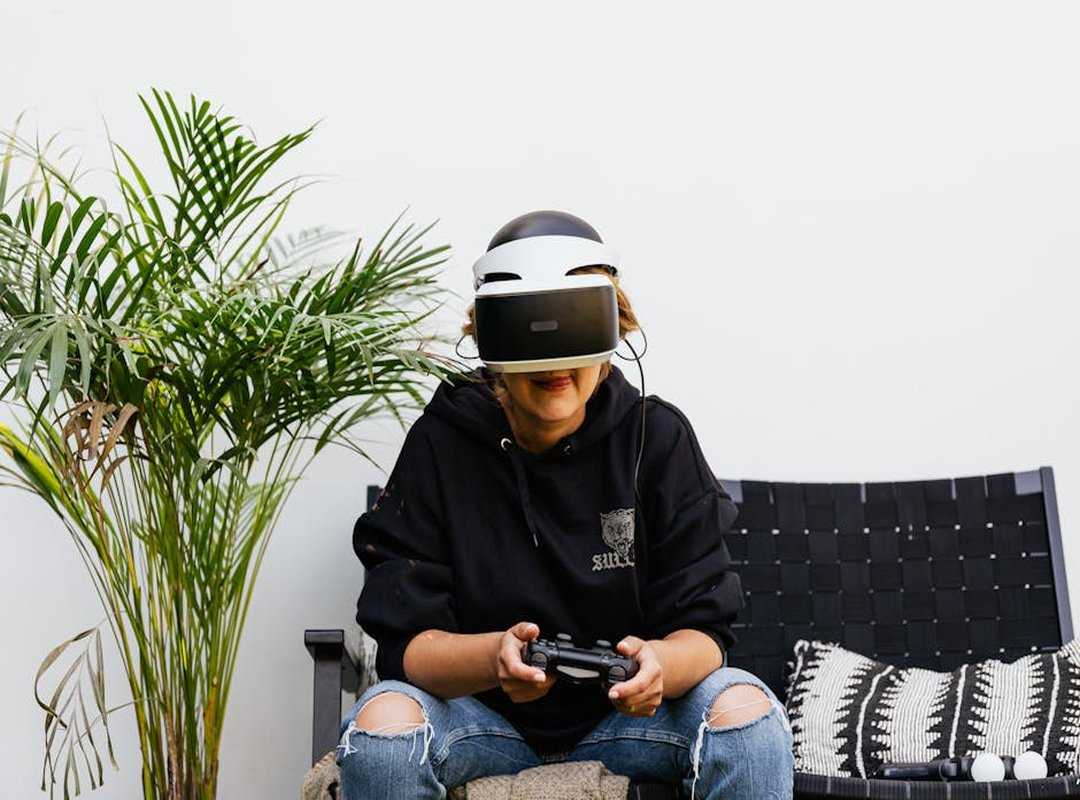
I bought a Quest 2 in 2020. Thought I was early. Turns out I was late.
I covered this topic over in this resource.
VR wasn’t ready. The cables choked me. The battery died mid-zombie fight.
My neck hurt. My dog judged me.
Then the Quest 3 dropped. Standalone. Lighter.
Better eyes. No PC needed. No excuses.
That’s when things clicked. Not metaphorically. Literally (I) clicked into Half-Life: Alyx and picked up a coffee mug.
Felt its weight. Heard the clink when it hit the table. Threw it.
Watched it shatter.
You can’t fake that on a flat screen.
AR is different. It doesn’t replace your world. It spills into it.
Remember Pokemon GO? That was AR’s first real gasp. You walked.
You looked. You caught. Real sidewalks.
Real lampposts. Real sweat.
But today’s AR glasses let you place a chessboard on your kitchen counter and play with someone across the country (their) avatar sits right there, leaning over the board like they’re breathing the same air.
Mixed Reality is where this gets dangerous. (In a good way.)
It blurs the line so hard you forget which pixels are real.
I tried an MR demo last month. A virtual robot arm moved with my real hand (not) just tracked it, but shared space. I reached for a wrench.
It appeared in my palm. Not beside it. In it.
That’s not sci-fi. That’s Tuesday.
The hype train left years ago. What’s left is actual tools. Actual games.
Actual fatigue, motion sickness, and battery anxiety.
Which is why I read Tgarchirvetech gaming news every week. They don’t sugarcoat the lag. Or the price.
Or the fact that most AR apps still feel like demos.
Gaming Trend Tgarchirvetech isn’t about waiting anymore.
It’s about choosing what works now.
Not what looks cool in a promo video.
Go try Half-Life: Alyx. Then walk outside and open Pokemon GO. Feel the difference.
That gap? That’s where the next decade lives.
Spot Fake Trends Before They Waste Your Time
I ask three questions. Every time.
Does it solve a real problem? Not a theoretical one. Not a problem invented by a PR team.
Cloud gaming works because I can’t afford a $1,200 GPU. And yes, that’s still a real problem in 2024. If the answer is “it makes things faster or prettier,” walk away.
Is anyone with real money backing it? Not influencers. Not startups burning VC cash.
Microsoft. Sony. NVIDIA.
If none of them are shipping hardware or building infrastructure around it. It’s vapor.
Does it open up something new, not just more? VR isn’t just another screen. It changes how presence feels.
That’s rare. Most “innovations” are repackaged versions of old ideas (looking at you, blockchain skins).
You’ll waste less time if you stop chasing buzzwords and start asking those questions first.
That’s why I track what actually sticks. Not what trends on Twitter for 72 hours.
Check out the latest Gaming Trend Tgarchirvetech breakdown over at Tgarchirvetech gaming trends.
You Already Know What’s Coming
Gaming moves too fast to guess.
You’re tired of falling behind. Tired of hearing about AI, cloud, and VR/AR like they’re magic tricks instead of tools you can actually use.
So I gave you the Gaming Trend Tgarchirvetech system. Three questions. That’s it.
Ask them next time you see a headline. Ask them before you upgrade. Ask them when your friends start talking about “the future.”
It works. Because it’s not theory. It’s how I filter noise every day.
You don’t need to master all three at once.
Just pick one. Try a cloud gaming trial this week. Five minutes.
See how it feels.
That’s how you stop reacting (and) start anticipating.
Your turn.