
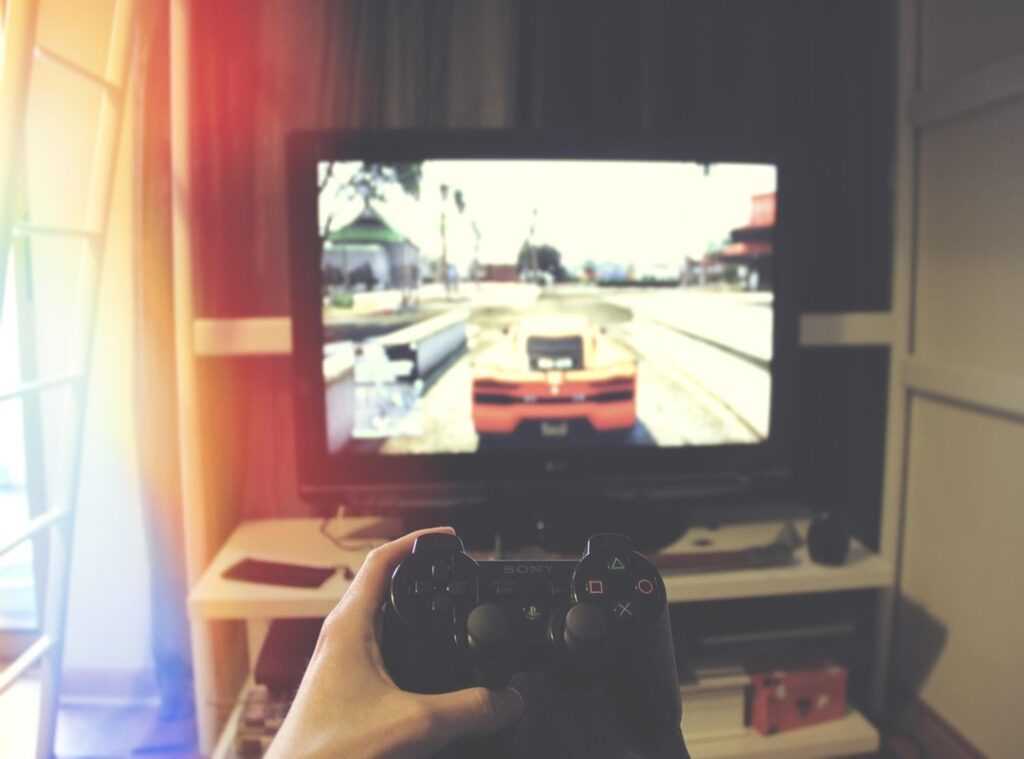
You sat there for two hours watching something happen to other people.
That’s not entertainment. That’s waiting.
I’m done with passive screens. You probably are too.
Tgarchirvetech Gaming doesn’t hand you a controller and tell you where to stand. It builds the room around you. Then it changes the room while you’re inside it.
I’ve seen demos that made architects question their degrees. And teachers beg to bring it into classrooms next week.
This isn’t sci-fi hype. It’s working right now. In warehouses, museums, and high schools.
I’ll explain how it actually works. No jargon. No buzzwords.
Just plain talk about sensors, spatial mapping, and why walls suddenly matter again.
You’ll walk away knowing exactly what Tgarchirvetech Gaming does. And whether it’s real or just another flashy demo.
I’ve tested three of their systems myself. Two broke on day one. One didn’t.
This article tells you why.
What Tgarchirvetech Actually Builds
Tgarchirvetech isn’t a game studio. It’s not a VR headset maker. It’s not even really a software company (at) least not in the way you’re used to.
I first saw their work in a public park in Portland. They dropped an augmented reality layer over the grass and benches. Not cartoon filters.
Real-time weather overlays, historical footnotes about old streetcar lines, and live air quality data that changed color as you walked. You pointed your phone and saw the city think.
That’s the point of the name: Archir for architecture (not) just buildings, but systems, flow, space. Tech for the tools that make it tangible. Not flashy. Not gimmicky.
Just functional presence.
They build things that live where your body is and your screen points.
Like a virtual museum where you don’t click through galleries. You walk into a 1:1 scan of the Uffizi, stand next to a real-time restoration simulation of The Birth of Venus, and talk with a curator avatar who knows your viewing history.
Or a VR design tool where architects and city planners co-edit a bridge model while standing on its actual construction site via AR glasses. No “play” button. No win state.
Just shared spatial logic.
This isn’t Tgarchirvetech Gaming. That phrase feels wrong (like) calling a stethoscope a “music instrument.” Their work doesn’t distract you from reality. It folds into it.
You can see how they think about this on their site. Tgarchirvetech’s core projects and philosophy.
Most studios ask: How do we make this fun?
Tgarchirvetech asks: What does this place need to say (and) how do we help people hear it?
I’ve watched people linger at that park bench for 22 minutes. Not scrolling. Not waiting. Listening.
How It Actually Works: Not Magic. Just Tools
I build these things. I break them. I fix them again.
AR drops digital stuff into your real world. Like a ghost floating over your coffee table. Or a repair manual hovering above your broken toaster.
It’s not sci-fi. It’s cameras, sensors, and math running fast enough to keep up with your head tilt.
VR is different. You step out of here. Into somewhere else.
No windows. No door. Just you and the world the software built.
Training pilots. Testing building layouts. Playing Half-Life: Alyx like it’s real.
Spatial computing? That’s the quiet brain behind both. It maps your space.
Tracks your hands. Knows where the floor ends and the ceiling begins. Without it, AR wobbles.
VR stutters. You get motion sickness. Not immersion.
Real-time rendering engines like Unreal or Unity are the painters. They draw every frame in under 17 milliseconds. If they slip, you notice.
Your stomach notices.
Think of it like an artist’s kit. AR is a fine-tip marker. You annotate reality.
VR is oil paint. You build from scratch. Spatial computing is the canvas stretcher.
Rendering engines are the brush, the light, the wet-on-wet blend.
Some teams skip spatial computing. They brute-force AR with GPS and rough orientation. It works… until you turn your head too fast.
Then the hologram slides off the wall like a Post-it in a breeze.
Tgarchirvetech Gaming uses this stack (but) they tune it. Not just plug-and-play. They adjust latency thresholds.
Swap shaders for low-end headsets. Cut corners only where users won’t feel it.
Pro tip: If your AR app feels laggy, check the rendering loop. Not the camera feed.
Most devs over-engineer the visuals and under-test the tracking. Big mistake.
Beyond Pixels: Where This Tech Actually Lives

I stopped thinking of it as gaming a long time ago.
It’s a tool. A really good one. And it’s doing real work in places you’d never expect.
You can read more about this in Games Tgarchirvetech.
Architects use it to walk clients through buildings that don’t exist yet. Not static images. Not fly-through videos. Real-time, photorealistic, walkable virtual tours.
With sunlight shifting across the floor as you turn your head. Clients sign off faster. Fewer revisions.
Less wasted time.
You ever try explaining drywall texture over email? Yeah. Me neither.
In surgery training, residents practice on virtual hearts that bleed, stall, and respond like real tissue. No risk. No ethical waiver.
Just repetition until muscle memory kicks in. Same for crane operators, power plant technicians, firefighters. All using simulations built on this same core.
Why send someone up a 200-foot turbine tower for their first lesson?
Retailers are using it too. Not just AR filters that make your nose bigger. Real “try-before-you-buy” setups.
Placing a $3,000 sofa in your actual living room, checking scale, lighting, even fabric drape. Before clicking “add to cart.”
That’s not marketing fluff. That’s fewer returns. Happier customers.
If you want to see how these tools translate into actual projects, check out the Games Tgarchirvetech page. It’s where the line between game engine and workhorse blurs.
Tgarchirvetech Gaming is the label people slap on it early (but) that’s like calling a hammer “nail-banging software.”
It builds things. Fixes things. Trains people.
Saves money.
And no, it doesn’t need a joystick to matter.
Most people still think “graphics” when they hear this tech. They’re wrong. It’s about presence.
Control. Consequence.
What’s Next? Tgarchirvetech’s Version of Tomorrow
I don’t buy the hype about “the Metaverse” as some shiny new theme park.
It’s just persistent digital space (and) Tgarchirvetech is already building the plumbing.
They’re not waiting for VR headsets to get cheaper. They’re shipping real-time collaboration tools today that let ten people edit a 3D world while arguing over lighting (yes, like Slack but with physics).
Digital twins? That’s just their word for “a copy of your factory floor that updates when the real one breaks.” (Which it always does.)
They treat persistence like oxygen (no) save buttons, no reloads, no pretending the server didn’t crash.
This isn’t sci-fi prep. It’s infrastructure work. Boring.
Necessary. Unsexy until it’s gone.
Tgarchirvetech Gaming is where they test most of this. Because games break faster than anything else.
You want proof? Try their real-time asset sync. Then go back to using Dropbox for game art.
Still think latency is unavoidable?
this guide has the actual configs (not) theory, not slides. Just working examples.
Step Into the Next Reality
Flat screens bore you. You know it. You’ve stared at them long enough.
Passive media doesn’t cut it anymore. You want to move. To touch.
To change what’s in front of you.
That’s why Tgarchirvetech Gaming exists. Not just games. Not just flash.
Real bridges between your hands and the digital world.
Architecture firms use it to walk clients through unbuilt spaces. Teachers watch students lean in (not) zone out. This isn’t sci-fi.
It’s live. It’s working.
You felt that itch. That need for more than scrolling.
So go find one example today. Search “Tgarchirvetech Gaming” and watch a demo. See how fast your pulse picks up.
Then follow their next project. The future isn’t coming. It’s already here.
And it’s interactive.
Your turn.