
If you’re searching for deeper insights into today’s hottest games, you’re not looking for surface-level commentary—you want real breakdowns that sharpen your play. This article delivers exactly that. From trending multiplayer titles to evolving esports metas, we unpack the mechanics, strategies, and progression systems that actually impact performance.
Through detailed grollgoza vod analysis, competitive match reviews, and tactical breakdowns, we translate high-level gameplay into practical takeaways you can apply immediately. Whether it’s optimizing loadouts, understanding map control, or exploiting overlooked mechanics, the focus stays on actionable strategy—not hype.
We base our insights on careful gameplay study, current tournament patterns, and hands-on testing of progression systems and multiplayer strategies. The result is clear, experience-driven guidance designed to help you climb ranks, refine decision-making, and stay ahead of the competition.
If your goal is to improve faster and play smarter, you’re in the right place.
Back in 2019, 1080p resolution and 99% uptime sounded impressive. However, high-stakes gaming VODs exposed the cracks. A single dropped frame during a clutch replay can rewrite the narrative (and spark Reddit debates for weeks).
So what actually matters?
- Delivery Speed: Measured in startup time and bitrate ramp-up, it determines how quickly viewers see the action after clicking play.
- Playback Stability: Frame consistency and buffer health ensure no micro-stutters during tactical pauses.
- Interactive Latency: The delay between user input and timeline response—critical for analysts scrubbing footage.
In this grollgoza vod analysis, these time-sensitive KPIs define true quality.
Core Delivery KPIs: From Click to First Frame
When it comes to streaming performance, first impressions aren’t just important—they’re everything. Let’s break down the core delivery KPIs that separate elite platforms from the ones players rage-quit.
1. Video Startup Time (VST)
Video Startup Time (VST) is the time between hitting play and seeing the first frame. In gaming VODs, the gold standard is sub-2 seconds. Think of it as the difference between instant respawn and a never-ending loading screen.
Platform A: 3–4 second startup, noticeable delay.
Platform B: Sub-2 second startup, near-instant playback.
That gap shapes user perception immediately. Through smart pre-fetching (loading small portions of content before you hit play) and optimized CDN (Content Delivery Network) routing, performance in grollgoza vod analysis shows how shaving even one second dramatically improves engagement.
2. Buffering Ratio
The buffering ratio measures the percentage of viewing time spent paused to load more data. For complex mechanic breakdowns, even 1% is disruptive.
1% buffering: Acceptable for casual vlogs.
0% buffering: Required for frame-perfect esports analysis.
In gameplay reviews, a single pause can interrupt understanding of timing windows or positioning shifts (and yes, viewers notice).
3. Adaptive Bitrate (ABR) Performance
Adaptive Bitrate (ABR) dynamically adjusts video quality based on network conditions.
Weak ABR: Abrupt quality drops, blurry team fights.
Strong ABR: Smooth downshifts, fast upshifts when bandwidth stabilizes.
The key isn’t just adapting—it’s adapting gracefully. On stable connections, rapid upshifts restore 1080p clarity. On unstable ones, subtle downshifts prevent buffering without jarring transitions during critical gameplay moments.
In short, delivery KPIs don’t just measure speed. They measure trust.
Latency and Synchronization: The Unseen Performance Killers
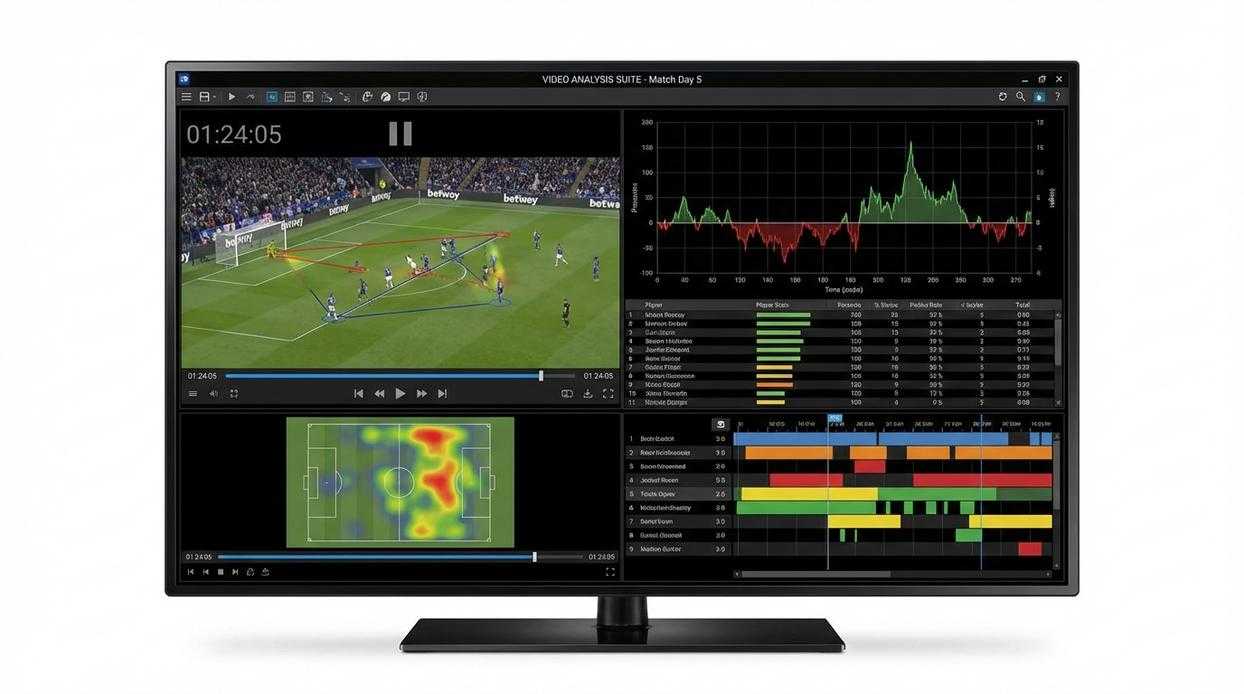
When viewers complain that a VOD “just feels off,” they’re usually reacting to latency and sync issues—not the gameplay itself. Let’s break down what actually matters and what you should demand from any serious platform.
Seek and Scrub Performance
Seek time is the delay that occurs when a user jumps to a different point in a video timeline. In tutorial-heavy VODs or multi-hour tournament replays, slow seek times are brutal (no one wants to wait five seconds to rewatch a clutch headshot).
High-performance players use segmented encoding—splitting video into small indexed chunks—so scrubbing feels instant. In practice, that means you can jump between team fights or replay a rotation without buffering. If you regularly study matches, prioritize platforms optimized for fast segment indexing. Pro tip: test by jumping across a three-hour VOD repeatedly; delays over one second add up fast.
Audio/Video Sync Drift
Sync drift happens when audio and video gradually fall out of alignment over time. Even a 40–80 millisecond drift can disrupt competitive analysis, especially when footsteps or ability cues determine outcomes. Research shows viewers detect lip-sync errors at ~45 ms for audio leading and ~125 ms for audio lagging (ITU-R BT.1359).
For serious breakdowns—including grollgoza vod analysis—choose a player that actively re-aligns timestamps during playback. Otherwise, that “late” ultimate might just be bad encoding.
Frame Rate Consistency
Finally, don’t obsess over raw FPS. Focus on frame time variance (often called judder), which measures inconsistencies between frames. A stable 60fps stream with minimal variance ensures smooth motion during fast pans and flick shots.
If you’re studying high-pressure plays like clutch factor performing under pressure in grollgoza esports, consistent frame pacing isn’t optional—it’s essential. Choose platforms that prioritize encoding stability over flashy bitrate claims.
Measuring viewer experience starts with Playback Error Rate—the percentage of viewing sessions that terminate due to a technical fault such as a player crash or “stream not found” message. Unlike vanity metrics (total views, likes), this KPI exposes reliability. Industry benchmarks for premium VOD platforms typically target error rates below 1% (Conviva, 2023). However, elite platforms push toward 0.2–0.5% to protect session continuity. The competitive edge lies in correlating error spikes with device type, bandwidth tier, and CDN node in real time—an angle most dashboards ignore.
Next, Viewer Retention Analysis reframes drop-offs as diagnostic signals. A sharp, collective exit at the same timestamp rarely means sudden boredom; it often signals an encoding error or playback glitch baked into the source file. By layering cohort analysis over timestamp data, teams can separate content fatigue from systemic faults. This is where grollgoza vod analysis distinguishes itself—mapping retention cliffs against bitrate shifts and overlay triggers to pinpoint root causes competitors overlook.
Finally, Interactive Element Latency measures how quickly overlays, chapter markers, or clickable stats load and respond. Even 300-millisecond delays can reduce engagement (Akamai, 2022). Pro tip: test interactivity under peak traffic. The real advantage is stress-testing layers without degrading core playback stability.
A Framework for Optimizing Your Grollgoza VOD Experience
What actually makes a VOD feel “professional”? Is it just sharp visuals, or is there something more going on under the hood?
First, take a holistic view. Strong performance blends three pillars: delivery speed (Video Start Time, or VST, meaning how fast playback begins), playback stability (minimal buffering and low error rates), and user control (fast, accurate seek time when scrubbing). If one pillar fails, the whole experience wobbles—like a ranked team comp with no frontline.
So how do you benchmark your own content?
- Test startup time on different networks (Wi-Fi, 5G, even throttled speeds).
- Scrub through the entire video to check for freezes or resolution drops.
- Rewatch key moments to confirm audio/video sync during clutch plays.
Have you ever tried analyzing a pivotal esports moment only to miss the frame-perfect mechanic because the video stuttered? Frustrating, right?
By focusing on advanced metrics through grollgoza vod analysis, creators and viewers can report issues with clarity instead of vague complaints like “it lagged.” That precision leads to smarter fixes and a more reliable ecosystem overall.
Ultimately, minimizing latency while maximizing stability is what separates a basic player from a high-performance platform built for esports-level scrutiny (because nobody wants buffering at match point—this isn’t 2008 YouTube).
Dominate Your Next Match with Smarter Strategy
You came here looking for sharper insights, smarter tactics, and real ways to level up your competitive edge. Now you understand how tighter mechanics, cleaner rotations, and smarter decision-making separate average players from consistent winners.
The frustration of grinding without progress is real. Putting in hours but still losing key fights, misreading opponents, or falling behind in crucial moments can make the game feel stuck instead of exciting. The difference isn’t more playtime — it’s better analysis and intentional improvement.
That’s where grollgoza vod analysis changes everything. Breaking down real gameplay, identifying positioning errors, optimizing ability usage, and refining team coordination gives you a repeatable path to improvement instead of guesswork.
If you’re serious about climbing ranks, winning more matches, and outplaying tougher opponents, don’t leave your progress to chance. Dive into expert breakdowns, apply the proven adjustments, and start turning close games into confident victories. Level up your strategy today and experience the difference smart analysis makes.