

If you’re here, you’re looking for more than surface-level gaming tips—you want real insight into what’s driving the current meta, how top players think, and how to turn mechanics knowledge into consistent wins. Whether it’s mastering new updates, refining your early vs late game strategy, or understanding why certain builds dominate ranked ladders, this guide breaks it down in a way that’s practical and immediately usable.
We’ve analyzed recent patch notes, studied high-level multiplayer matches, and reviewed esports tournament play to identify the patterns that actually separate average players from elite competitors. Instead of generic advice, you’ll get focused breakdowns of game mechanics, progression hacks that save hours of grind, and tactical adjustments that align with today’s competitive environment.
By the end of this article, you’ll understand not just what works—but why it works—and how to apply it in your own matches for smarter decisions and stronger results.
Mastering the arc means accepting that what wins minute one can lose minute thirty. I learned this the hard way, clinging to a comfort build while the meta shifted and getting steamrolled in finals. The lesson? A static plan in a dynamic arena is SELF-SABOTAGE.
Consider early vs late game strategy: resource greed early might snowball, but it can starve you of positioning later. I once over-prioritized flashy kills (highlight-reel worthy) and ignored objectives, only to watch the scoreboard flip.
Key reminders:
• ADAPT
• Track resources
• Reassess objectives
Inflection points demand humility, not ego. Adjust, survive, then dominate.
I learned the importance of a strong opening the hard way. In one ranked match, I rushed for an early elimination instead of scouting. I got the highlight moment—and then promptly lost map control, resources, and the match. That sting taught me this: the opening gambit isn’t about glory; it’s about groundwork.
To begin with, focus on low-risk, high-reward actions. Scouting—systematically gathering information about enemy positions, rotations, and resource spawns—gives you what strategists call information asymmetry, meaning you know more than your opponent (and knowledge is power, even outside superhero movies). Secure initial resources and establish baseline map control, which simply means holding key areas that influence movement and objectives.
Meanwhile, treat resource management as accumulation. Every gold coin, energy shard, or supply crate is an investment in your mid-to-late game power curve—the rate at which your strength increases over time. Wasteful spending or unfavorable trades might feel aggressive, but they quietly sabotage your scaling. Pro tip: if a trade doesn’t improve your position or economy, it’s probably not worth it.
Of course, some players argue that hyper-aggression wins games fast. Sometimes it does. However, more often than not, reckless openings collapse against disciplined opponents. Your primary goal is survival and efficient farming, not flashy dominance.
Finally, smart players exploit predictable AI patterns or common player habits for small, compounding gains. That’s the heart of early vs late game strategy: build the foundation now so your future self can cash in later.
The Endgame Shift: Leveraging Power for the Final Push
At a certain point, the match stops being about preparation and starts being about execution. The endgame shift is exactly what it sounds like: moving from cautious accumulation to decisive action. Resources—gold, cooldowns, vision, tempo—are no longer saved. They’re weaponized.
Up until now, you’ve likely balanced early vs late game strategy, weighing scaling against tempo. However, once the final window opens, hesitation becomes the real enemy. Risk tolerance spikes. High-commitment plays—an all-in team fight, a Baron-for-base trade, even sacrificing a core structure to secure a win condition—aren’t reckless. They’re required.
Some argue that patience wins championships. And yes, over-forcing can throw a lead (we’ve all seen the 10k gold throw that lives forever on YouTube). But what’s often overlooked is timing aggression around power spikes. A power spike is a temporary surge in effectiveness—usually triggered by item completion, level advantages, or ultimate ability unlocks. If your composition peaks at two items and double ultimates, waiting for “perfect” conditions wastes your advantage.
Moreover, map control evolves. It’s no longer about placing wards for information; it’s about denying access. Choking jungle entrances, clearing waves to force defensive rotations, and collapsing vision lines create pressure that corners opponents into losing fights.
This is where elite teams separate themselves. They don’t just react—they anticipate counters before they happen. Studying principles like counterplay tactics adapting to opponent strategies in real time ensures your final push accounts for desperation plays.
Pro tip: Track enemy summoner spells and ult cooldowns verbally as a team. The last fight is rarely about mechanics alone—it’s about information leverage.
In the endgame, bold isn’t optional. It’s optimal.
Tactical Comparison: Key Strategic Pivots from Start to Finish
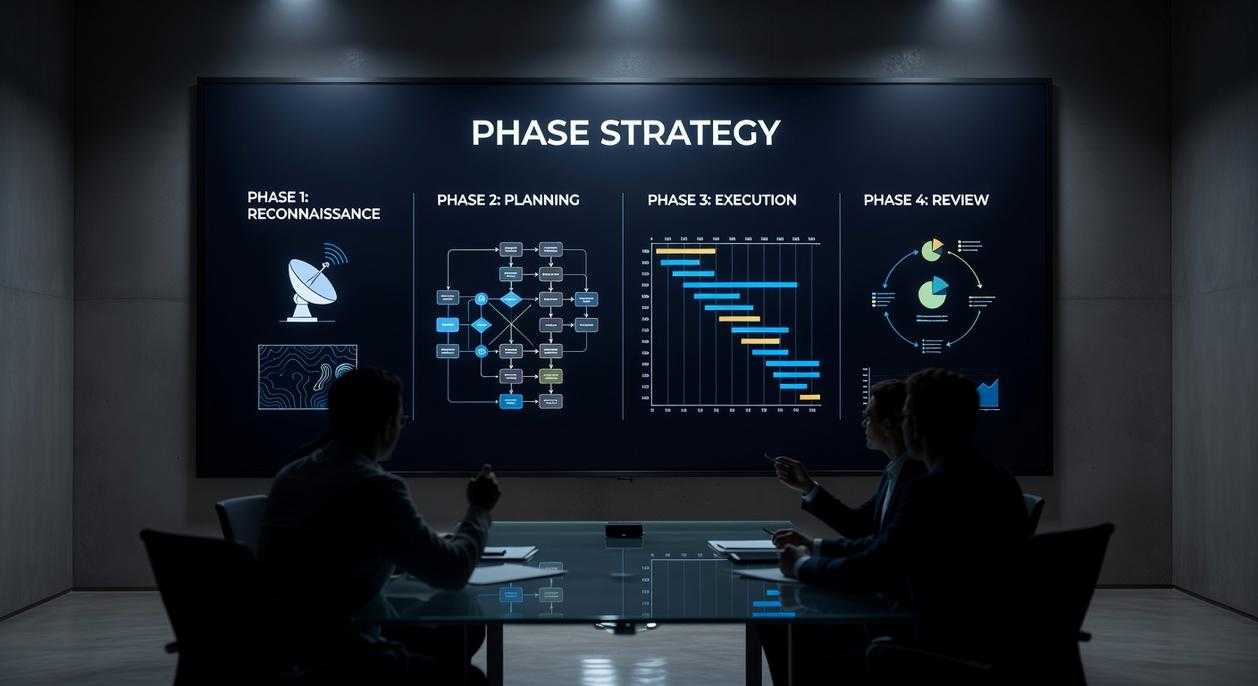
The Shift That Decides Everything
Every competitive match hinges on one core truth: what wins in minute five will not win in minute forty. Understanding early vs late game strategy is less about memorizing tactics and more about recognizing when the entire rulebook flips.
Resource Management begins with “Farming & Saving”—stacking gold, XP, cooldown advantages, or crafting materials to build what players call a war chest (a reserve of resources saved for future power spikes). This phase rewards discipline and efficient pathing. But the Late Game becomes “Cashing In”—selling items for burst builds, burning consumables, or committing ultimates without hesitation. Think of it like holding onto all your special moves in a fighting game, then unloading them in the final round (yes, very “Avengers… assemble”). Resources only matter if they convert into pressure.
Player Positioning evolves just as dramatically. Early play emphasizes “Safety & Efficiency”: hugging towers, optimizing jungle routes, minimizing exposure. The benefit? Lower risk of snowballing the enemy. Late Game demands “Aggressive & Objective-Focused” positioning—controlling chokepoints, forcing vision denial, executing flanks. One well-timed flank can delete a carry and swing a 40-minute match instantly.
Objective Focus shifts from “Low-Risk & Foundational” targets—minor buffs, scouting wards, small camps—to “Game-Ending & High-Stakes” plays like sieging the main base or contesting the final boss. These objectives provide exponential returns, not incremental ones.
Finally, Decision Making transforms from “Calculated & Patient” to “Decisive & High-Impact.” Early mistakes are recoverable. Late mistakes are headlines.
Some argue patience always wins. That overcommitting throws games. True—recklessness loses matches. But refusing to act when you’ve earned advantage? That’s how you let opponents scale back in.
Pro tip: track cooldown timers in the final phase. A 20-second window without a key ultimate is often the real win condition.
Strategy isn’t static; it’s situational. You’ve built the blueprint—now execute it.
A dynamic mindset means reassessing your power spike (a moment when your character becomes significantly stronger) and resources every few minutes.
Use early vs late game strategy to guide decisions.
Practical steps:
- At match start, prioritize economy and safe positioning.
- Midway, track cooldowns and objectives.
- In final phases, force fights only with advantage.
For example, in a MOBA, rotate lanes once you secure vision (yes, map awareness wins games).
Pro tip: review replays to spot mistimed aggression.
Before each push, ask: does this reflect game’s demands?
Understanding when to adopt aggressive or safe strategies in your gameplay can greatly influence your success, especially when considering character roles and abilities like those of Grollgoza, as detailed in our article “A Deep Dive Into Grollgoza Character Roles and Abilities.
Dominate Your Matches with Smarter Strategy
You came here to sharpen your edge and finally understand how to outplay, outmaneuver, and outlast your competition. Now you have a clearer grasp of game mechanics, multiplayer tactics, and how early vs late game strategy decisions can make or break your climb.
The biggest frustration for most players isn’t effort — it’s stagnation. Grinding without progress. Losing winnable matches. Watching others rank up while you stay stuck. The difference isn’t luck. It’s informed decision-making and adapting your strategy at every stage of the match.
Now it’s your move.
Start applying these insights in your next session. Review your matches with a focus on timing, positioning, and objective control. Refine your approach to early vs late game strategy and adjust based on team comps and win conditions.
If you’re serious about ranking up, mastering advanced mechanics, and staying ahead of the meta, dive deeper into our strategy breakdowns and competitive guides. Thousands of competitive players trust our insights to level up faster.
Stop guessing. Start winning. Jump into the next guide and turn your next match into a statement victory.