

Winning in today’s fast-moving gaming landscape takes more than quick reflexes. Whether you’re climbing ranked ladders, preparing for tournaments, or just trying to outplay coordinated squads, you’re here because you want sharper strategies, smarter decisions, and a real competitive edge.
This guide breaks down the mechanics, tactics, and meta shifts that actually impact performance. From understanding patch-driven balance changes to mastering competitive team composition, we’ll focus on practical insights you can apply immediately. You’ll learn how to optimize roles, adapt to evolving metas, exploit map advantages, and coordinate effectively in high-pressure multiplayer scenarios.
Our analysis draws from current gameplay trends, high-level match breakdowns, and proven in-game strategies used in competitive environments. Instead of vague tips, you’ll get clear explanations of why certain tactics work and how to execute them under real match conditions.
If you’re looking to level up your strategy, outthink opponents, and stay ahead of the meta, you’re in the right place.
The Three Pillars: A Universal Team Composition Framework
To enhance your team’s synergy and strategy, consider diving into our insights on effective player roles, which align perfectly with the gaming hacks found at Uggworldtech for maximizing your competitive edge – for more details, check out our Gaming Hacks Uggworldtech.
Every winning roster rests on three functional pillars: Leadership, Aggression, and Support. Think of it as a blueprint: remove one pillar and the structure wobbles.
First, The Architect is the In-Game Leader, or shot-caller, who reads the map and adjusts mid-round. If calls feel chaotic, study shot calling 101 improving team communication in ranked matches to sharpen clarity.
Next, The Vanguard acts as the entry fragger or initiator, creating space and forcing reactions. They trade risk for momentum (yes, it feels like charging into a boss fight).
Finally, The Foundation anchors sites, controls territory, and supplies utility so others shine.
Although one player can embody multiple roles, every competitive team composition must cover all three functions to stay adaptable and resilient.
Overlooking even one creates predictable gaps opponents exploit, so audit your lineup before the next queue pops and adjust accordingly.
Pillar 1: Identifying and Empowering Your Architect
Every strong team needs an Architect—often called the IGL (in-game leader), the player responsible for mid-round decisions. Contrary to popular belief, this isn’t your flashiest aimer. It’s your clearest thinker.
What to Look For
Focus on traits that win rounds, not highlight reels:
- Decisiveness: Makes calls quickly, even with incomplete info.
- Macro-level understanding: Tracks economy, rotations, and objective timers (the invisible chessboard behind every firefight).
- Calm under pressure: Keeps comms steady when the round looks lost.
- Command presence: Teammates naturally follow their voice.
In competitive team composition, this role anchors structure. Without it, even stacked rosters crumble.
How to Test in Tryouts
Create high-pressure scrim scenarios. Force a 3v3 retake with limited utility and say nothing. Who calls the execute? Who assigns roles? Watch for split-second direction that dictates the round’s outcome.
Pro tip: Review comms recordings. Great Architects communicate intent, not just information.
Empowerment Strategy
Once identified, commit to their calls—even the wrong ones. A unified mistake (everyone follows one flawed plan) builds cohesion. Fragmented brilliance—three different ideas at once—guarantees chaos. Think Avengers assembling versus everyone freelancing.
Alignment beats ego. Structure beats noise. That’s how rounds—and championships—are built.
Pillar 2: Unleashing the Vanguard for Maximum Impact
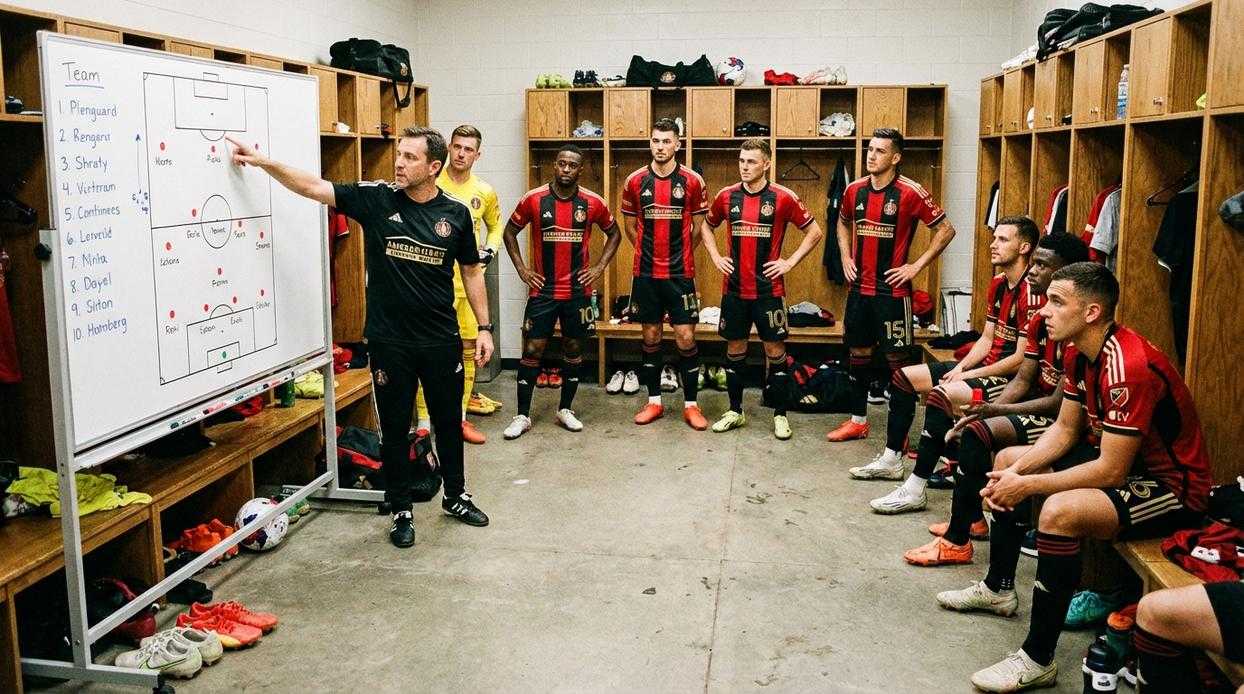
The Vanguard is your tip of the spear—the player who thrives on controlled aggression and wins the opening duel. In competitive terms, “controlled aggression” means applying pressure without overcommitting resources or positioning. Think of it like a boxing match: you jab to create an opening, not to fall into a counterpunch (unless you enjoy respawn timers).
In any competitive team composition, the Vanguard’s job is simple: create advantages. That could mean securing first blood, forcing enemy cooldowns, or claiming high ground that shifts map control. Confidence and sharp mechanics are non‑negotiable, but timing is the real superpower. Engage too early and you’re isolated. Too late and the window closes.
Some argue the Vanguard role just encourages reckless frag-chasing. They’re not wrong—many players confuse aggression with chaos. But a smart Vanguard creates space, not highlight reels. If your push allows teammates to rotate safely or secure objectives, you’ve done your job (even if the scoreboard doesn’t scream it).
Recommendation: coordinate every entry with your Architect. When the call comes, commit decisively—no half-steps. Pro tip: track enemy escape tools before diving.
– Underline
-
–
Pillar 3: Building an Unbreakable Foundation
Not every hero tops the scoreboard. In fact, the players who win championships often sit quietly in the background. These are the Foundation players—Supports, Anchors, and Lurkers—who turn chaos into structure.
At first glance, a high-frag Vanguard looks more impactful than a patient Anchor. Kills vs. control. Flashy vs. fundamental. But compare the outcomes side-by-side: a reckless entry might secure one elimination, while a disciplined Support prevents three deaths with a single well-timed ability. One creates momentum; the other preserves it.
Consider a Sage walling off a choke in Valorant, a Loba supplying critical loot in Apex, or a CS:GO Anchor locking down a bombsite. These plays rarely trend on highlight reels (no one makes a montage of “great positioning”), yet they stabilize the entire competitive team composition.
The key traits? Patience, positional awareness, and deep utility knowledge. Foundation players understand when not to peek. They hold angles, delay pushes, and gather late-round information that flips a 2v3 into a winnable scenario.
Critics argue this role is passive compared to aggressive fragging. However, without structure, aggression collapses. Strong Foundations prevent bad trades, secure post-plant setups, and ensure the team doesn’t crumble under pressure. In the end, they’re less about glory—and more about gravity.
Dominate Your Next Match with Smarter Strategy
You came here to sharpen your edge—and now you’ve got the insights to do it. From smarter rotations to optimized loadouts and competitive team composition, you’ve seen how small tactical upgrades can completely shift the outcome of a match.
The real frustration isn’t losing—it’s knowing you could’ve played better with the right strategy. Falling behind in ranked, getting out-coordinated in team fights, or missing key progression opportunities doesn’t have to be your norm.
The players who consistently climb aren’t just grinding harder—they’re applying smarter mechanics, tighter teamwork, and proven esports-level tactics. Now it’s your turn to put this into action.
Start by refining your squad synergy, adjusting your builds based on matchup data, and practicing the multiplayer strategies outlined above in your next session. Don’t just play—play with purpose.
If you’re serious about ranking up and staying ahead of the meta, dive into more advanced breakdowns and strategy guides trusted by competitive players who want results. Level up your gameplay now and turn every match into a calculated win.