
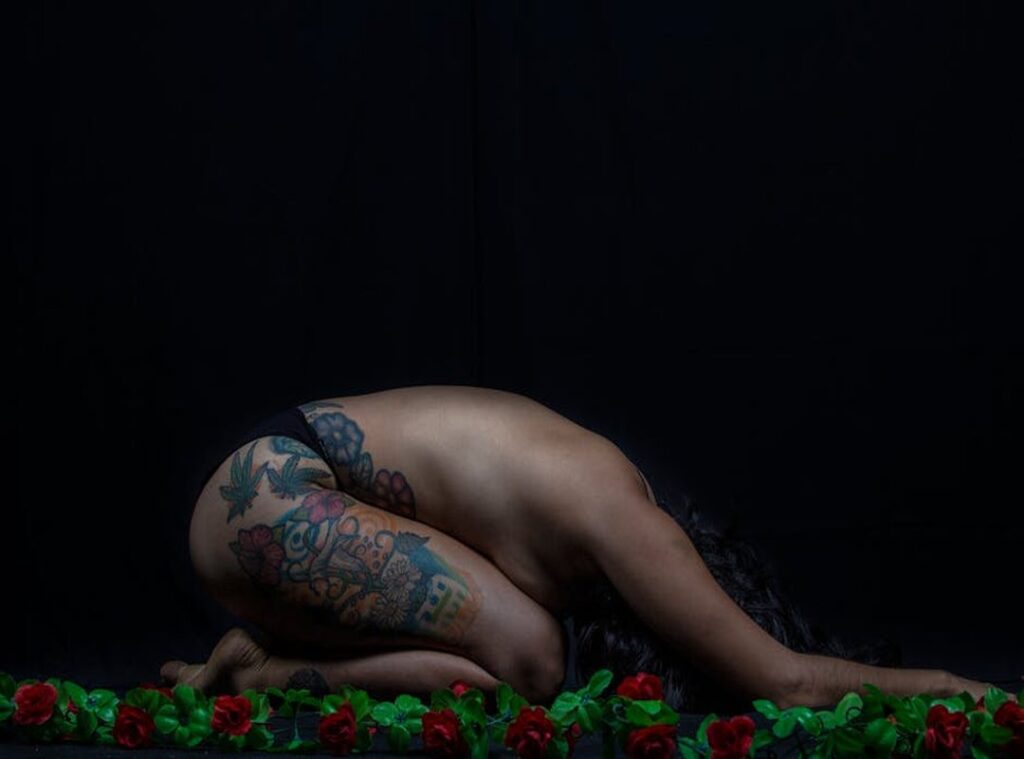
Ever snapped a quick photo with your phone and thought, “That’s nice”? But have you ever seen a photograph that stops you in your tracks, makes you feel something?
I’m talking about the kind of image that’s more than just a snapshot. It’s a piece of art.
Enter ktlordahll nude. This artist’s work is a perfect example of what I mean. Their photos aren’t just pretty pictures; they’re stories, emotions, and experiences captured in a single frame.
In this article, we’ll break down what makes ktlordahll’s photography so special. We’ll look at the elements that turn a good photo into a great one.
By the end, you’ll have a new appreciation for the art form. And you might even see your own photos in a different light.
The Philosophy Behind the Lens: Capturing Emotion Over Perfection
I believe in capturing real, raw moments. Not those perfectly posed scenes that look great on Instagram but feel hollow.
Authenticity is key. It’s about finding and sharing the genuine emotions that make us human. Vulnerability is a big part of this.
When a subject lets their guard down, it creates a deep connection with the viewer. You can almost feel what they’re feeling.
- Identity: Each photograph explores who we are.
- Memory: It captures fleeting moments that might otherwise be lost.
- Imperfection: Beauty in the flaws, not just the polished surfaces.
The environment and setting are more than just backdrops. They’re active participants in the story. A cluttered room, a sunlit park, or an old, worn-out couch—these elements add layers to the narrative.
Trust and collaboration between the photographer and the subject are crucial. Without trust, you can’t get those raw, honest images. It’s a partnership, really.
We work together to bring out the true essence of the moment.
ktlordahll nude is a prime example. The vulnerability and trust in that image speak volumes. It’s not just about the subject; it’s about the story we tell together.
Deconstructing the Visual Signature: Light, Color, and Composition
Let’s talk about light. It’s not just about making things visible; it’s about setting the mood. In natural and low-light situations, light can sculpt subjects and create a specific atmosphere.
Texture and grain add a tangible, timeless quality to digital photographs. These elements make the images feel more real, more lived-in.
Color is another key player. A characteristic color palette, whether it’s muted, earthy tones or a desaturated warmth, can evoke nostalgia. It’s like stepping into a memory, a feeling of something familiar yet distant.
Composition is where the magic happens. The intentional use of negative space can create a sense of quiet or isolation. It’s like the image is breathing, and you can almost hear the silence.
A shallow depth of field draws the viewer’s eye directly to the emotional core of the image. It’s a technique that makes the subject stand out, making everything else fade into the background.
ktlordahll nude—now, I know that might sound out of place, but it’s a reminder that every element in a photograph, from the lighting to the composition, is carefully chosen to tell a story.
Pro tip: Pay attention to how these elements work together. They don’t exist in isolation. Each one complements the others, creating a cohesive and impactful visual experience.
Storytelling in a Single Frame: The Art of Visual Narrative
Each image is crafted to feel like a still from a larger, untold story. It invites the viewer to imagine the before and after. This is what makes ktlordahll nude photography so compelling.
Props, wardrobe, and location build a world. They hint at a character’s backstory without using words. A simple item can tell a whole story.
Body language and expression are key. They convey complex emotions and narratives. Moving beyond simple smiles, they add depth and intrigue.
A hand gently touching a windowpane isn’t just a pose. It suggests longing, separation, or a moment of quiet reflection. These small details make a big difference.
This narrative depth is a key differentiator in ktlordahll artistic photography. It turns portraits into compelling character studies. You get more than just a pretty picture; you get a story.
Understanding these elements helps you appreciate the art. It also gives you a new way to see and create your own images. So, next time you look at a photo, think about the story it’s telling.
Why This Matters
It’s not just about looking at a pretty picture. It’s about engaging with a deeper narrative. This makes the experience more meaningful and memorable.
You start to see the world through a different lens. You notice the small details that tell a bigger story. And that’s what great photography is all about.
So, whether you’re viewing or creating, this approach adds value. It transforms a simple image into a rich, emotional experience. That’s the power of visual storytelling.
The Influence of Cinematic Portraiture
Cinematic portraiture is all about creating still images that feel like they’re straight out of a movie. Think dramatic lighting and evocative moods. It’s not just about taking a picture; it’s about telling a story.
You know how in independent films or classic cinema, the lighting and composition make you feel something? That’s what we’re talking about here. It’s about using those same techniques to make a photograph more than just a snapshot.
This approach elevates a photograph from a simple depiction to an immersive experience. When you look at a cinematic portrait, you don’t just see a person; you feel their story. It’s like stepping into a scene from a film.
One thing that sets this style apart is its memorability. In a crowded field of portrait photographers, the cinematic quality makes your work stand out. People remember the mood, the atmosphere, and the story behind the image.
Take, for example, the work of ktlordahll nude. Their portraits are a perfect blend of drama and emotion, making each image a unique and unforgettable experience. This is what makes cinematic portraiture so powerful and distinct.
Developing Your Own Artistic Eye
ktlordahll nude artistic photography thrives on a strong philosophy, intentional use of light and color, and a focus on storytelling. These elements are the building blocks of compelling imagery. The real power, however, comes from the seamless fusion of technical skill and a unique creative vision.
Start noticing these elements in the world around you, even without a camera in hand. Observe how light changes throughout the day, or how colors interact in different settings. This practice will sharpen your artistic eye.
Create images with purpose and intent. Don’t just take pictures; tell stories that resonate.